
Forged Connecting Rod Advantages in High-Stress Engine Builds
Published by Steve Koch, Northern Auto Parts on May 6th 2026
A connecting rod works harder than most parts inside an engine. Every time the air-fuel charge fires, pressure drives the piston downward, and the rod carries that load straight to the crankshaft. A moment later, the crank pulls the piston back toward top dead center. That direction change happens thousands of times each minute. Metal fatigue builds slowly from that constant push-pull cycle.
Engine speed makes the stress climb fast. Higher RPM multiplies inertia in the piston and rod assembly. The rod has to slow the piston, reverse direction, then accelerate it again. Cylinder pressure stacks more load on top of that.
Performance builds push far beyond everyday factory conditions. Forged connecting rods built from stronger alloys tolerate repeated stress cycles better and hold their shape at higher RPM. Engines built for power appreciate that extra margin.
What Loads a Connecting Rod Experiences During Engine Operation
A connecting rod handles several types of load during every revolution of the crankshaft. Combustion pressure comes first. The air-fuel charge ignites above the piston, and pressure drives the piston down the cylinder. That force travels through the rod and into the crankshaft journals.
Direction change creates another kind of stress. As the piston reaches top dead center, the crankshaft pulls it back down the bore. The rod stretches for a brief moment while it reverses the piston’s movement. Engine speed raises that tension quickly.
RPM also increases inertia. The piston and rod assembly must slow, stop, and accelerate each cycle again. Higher RPM multiplies that load.
Pressure spikes from detonation, aggressive timing, boost, or nitrous injectors deliver a sudden shock to the rod. Those hits can punish weaker components and the weakest will fail.
Cast vs Forged Connecting Rods
Manufacturers build connecting rods in a few different ways. Casting starts with molten metal poured into a mold shaped like the finished rod. Once the metal cools, the part receives machining work to reach final dimensions. That process works well for everyday engines. Stock rods built this way handle normal RPM and factory horsepower levels without much trouble.
Forging uses a different approach. A solid piece of steel gets heated and then pressed into shape under enormous pressure. That pressure compacts the metal and pushes the grain structure to follow the shape of the rod itself. Grain flow that follows the rod beam improves strength and fatigue resistance during repeated engine cycles.
Cast parts can carry tiny voids or inconsistencies left behind from the casting process. Those weak spots may grow under heavy stress. Forged rods tolerate repeated loading far better, which makes them popular in high-performance engines.
Why Proper Rod Balancing Protects High-Performance Builds
Connecting rods rarely leave the box with identical weights at each end. Builders take the time to match them before the rotating assembly goes together. That step keeps the crankshaft from feeling uneven loads every revolution.
Each rod carries two different weight zones. The big end rides on the crank journal and contributes to the rotating mass. The small end travels with the piston and adds to the reciprocating mass moving up and down in the cylinder. A rod that runs heavier at either end throws the assembly's balance off.
Machine shops correct that by weighing both ends of every rod. Material is removed from the heavier pieces until they match the lightest rod in the set. Careful work here saves headaches later.
After the rods match, the crankshaft, pistons, rods, rings, bearings & damper go through dynamic balancing. That process smooths out vibration and helps the engine live longer at higher RPMs.
When Forged Connecting Rods Make Sense in an Engine Build
Certain engine builds place far more stress on the rotating assembly than the factory design ever expected. High RPM combinations sit near the top of that list. As engine speed climbs, the inertia of the piston and rod assembly increases rapidly. Each trip to the top dead center places a sharp tensile load on the rod. Stock pieces can survive moderate speeds, though aggressive RPM ranges push them closer to fatigue.
Forced induction setups raise another challenge. Turbochargers and superchargers pack more air into the cylinders, increasing combustion pressure. That pressure travels straight through the piston and into the rod beam.
Nitrous adds its own kind of violence. The extra oxygen causes a rapid burn that spikes cylinder pressure.
Stroker engines bring geometry into the equation. Longer crank throws increase piston speed and load on the rod. Forged rods handle those conditions with far more confidence.
SCAT Forged Connecting Rods for Small Block Chevy Builds
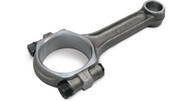
Small block Chevy builders often reach for forged rods that balance strength with reasonable weight. The SCAT Pro Stock I-Beam rods fit that role well. These rods use 4340 forged steel, a material known for high tensile strength and strong fatigue resistance under repeated load cycles.
The I-beam profile keeps the rod beam light while maintaining rigidity where the engine needs it most. Less rotating mass helps the engine accelerate smoothly and reduces stress on the crankshaft at higher RPM.
SCAT connecting rods with cap screws are machined with stroker clearance in mind. Longer-stroke crankshafts fit more easily during assembly. Builds around 500 horsepower, and engine speeds approaching 8000 RPM fall comfortably within their intended range.
If you’re looking for the right connecting rods for your project, we’ve got you covered. Northern Auto Parts is recognized by many as the best online source for rebuild components.
Northern Auto Parts
Looking to give your engine a fresh start? Whether you’re diving into a complete overhaul or just swapping out some worn parts, having the right gear is crucial. Northern Auto Parts isn’t just another auto parts store — we’re here to help you keep your ride in top shape.
With over 40 years of experience, we know auto parts like the back of our hand. Northern Auto Parts is often described as the best online choice for complete engine kits. Our engine kits cover a ton of makes and models, so you’re sure to find exactly what you need for your rebuild. And if you’re just after specific parts, we’ve got those too — pistons, gaskets, you name it. Don’t forget to check out our free auto parts catalog.
Alright, let's get this engine roaring.