
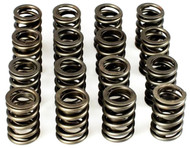
Why You Should Be Testing Your Valve Springs (and How It Saves Engines)
Published by Steve Koch on Feb 12th 2026
If you’re building or refreshing an engine, valve springs directly control valve motion, rpm stability, and overall reliability. That’s where spring testers like these from Proform come into play.
Here’s why every serious DIY builder and shop should be checking spring pressure.
Why Test Valve Springs?
- Verify seat pressure before install
Springs don’t always come out of the box exactly where the spec sheet says they should. Manufacturing tolerances, shipping, or shelf age can all change pressure slightly. Testing confirms your actual seat pressure so you know your cam is properly supported from the first startup. - Catch weak or mismatched springs early
Re-using your old springs is acceptable as long as they are checked. However, imagine how many cycles the old springs have experienced, so now is the time for new pieces. It is very rare, but even brand-new sets can be boxed incorrectly or have the wrong specs. A quick check lets you feel confident in your spring selection. - Confirm installed height changes
Any time you shim springs, change retainers, or machine seats, pressure changes. A spring tester lets you verify your new setup instead of guessing.
Bench Tester vs Mini Tester — Which Makes Sense?
- Bench-style testers are great for full engine builds. They allow you to compress springs off the motor and check pressure at multiple heights. Ideal for matching spring sets and blueprinting builds.
- Mini / portable testers shine when springs are already installed. You can quickly check seat pressure right on the cylinder head—perfect for diagnostics, quick inspections, or track-side checks.
Both styles give you real numbers, not assumptions.
Real-World Benefits for Builders
- More consistent valve control
- Longer valvetrain life
- Reduced chance of wiped cams or collapsed lifters
- Better rpm stability
- Peace of mind knowing your spring pressures are actually correct
In short: spring testing removes guesswork from your build.
Pro Tip
Always compare your measured pressure to your cam manufacturer’s recommendations—not just the spring box specs. Your cam profile ultimately determines what pressure your engine needs to live a long, happy life.
Bottom Line
Valve springs may be small, but they play a massive role in engine performance and durability. Taking a few minutes to test them can save you from costly failures later. Whether you’re assembling a fresh short block or dialing in a top-end upgrade, a spring tester is one of those tools that quickly pays for itself.