
Proper Engine Lubrication
Published by Steve Koch on Feb 5th 2026
Why Proper Lubrication Matters
Proper lubrication is one of the most critical steps when building or rebuilding an engine. Many early engine failures happen within the first minutes of operation, often due to insufficient lubrication before oil pressure is established. Taking the time to properly lubricate components helps protect precision-machined parts and ensures a successful engine overhaul.
Lubrication During Engine Assembly
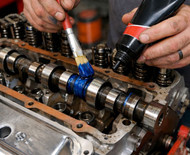
During assembly, all wear surfaces must be coated with the correct lube. Main and rod bearings should be covered with a high-quality assembly lube that stays in place under load. Camshaft lobes, lifters, pushrod tips, rocker arms, and valve stems also require proper lubrication, as these components experience high friction at startup. Flat-tappet camshafts, in particular, require a specialized assembly lube with a high zinc/phosphorous content to prevent scuffing or premature failure. Ask your auto parts specialist about brands with a proven track record of quality and success.
Priming the Engine
Before the first startup, the oiling system must be primed. Priming circulates oil through the engine’s oil passages, ensuring that bearings, lifters, and the valvetrain receive oil before the engine turns over under its own power. This step also allows you to confirm oil pressure and verify that oil is reaching all critical areas, eliminating the risk of a dry start. There are specialty tools to match your engine style by spinning the oil pump, or you can use an oil priming tank like the Melling MPL201. Easy to use and well worth the investment as it can be used on most all engine types.
Choosing the Right Break-In Oil
Selecting the correct oil for initial startup and break-in is just as important as assembly lubrication. Break-in oils are formulated with the proper additives to protect new components while allowing piston rings to seat correctly. Using the wrong oil or additives can negatively affect ring seating and overall engine performance. Always follow the engine builder’s or manufacturer’s oil recommendations.
Initial Startup and Break-In Procedure
During the initial startup, closely monitor oil pressure, oil temperature, and overall engine behavior. Bring the engine up to operating temperature and follow the recommended break-in procedure, which typically includes varying engine speed and avoiding extended idling.
Post Break-In Oil Change
After the initial run-in period, changing the oil and filter is essential. This removes any microscopic debris created. Fresh oil ensures continued protection as the engine transitions from break-in to normal operation. This will set the foundation for engine longevity and reliable performance for years to come.