
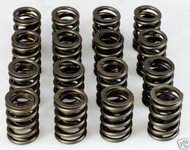
Extending the Life of Your Small Block Chevy with Stock Valve Springs
Published by Steve Koch, Northern Auto Parts on Feb 2nd 2026
There’s been noise around high-performance valve springs forever, and most of it comes from builds that live north of 6,500 rpm. That’s not how a lot of small block Chevys get used. A 327 or 350 with perimeter-bolt heads from the late ’60s or a center-bolt 350 from the mid-’80s usually spends its time idling in traffic, cruising at 2,800 rpm, or pulling a mild grade on the highway. In that world, stock valve springs make sense, even if that sounds boring.
Factory-style springs were chosen for a reason. Seat pressure stays reasonable, usually in the 85–95 lb range on the seat, open pressure stays low enough that flat tappet lifters and guides aren’t getting hammered. With a stock or near-stock cam, lift is modest and ramp speed isn’t trying to shock the valvetrain. Parts move the way they’re supposed to, and they keep doing it for a long time. That’s how engines rack up miles without turning into a winter teardown project, or worse… a half-finished one.
You’ll also notice the engine just feels calmer. Valvetrain noise stays low, hot idle doesn’t wander around, and you don’t hear that faint tick that makes you turn the radio down. Nothing flashy about it, just steady behavior that adds up over years of driving.
What Worn Valve Springs Actually Feel Like
Valve springs usually don’t fail in a dramatic way. You feel it first. The engine idles fine, pulls clean off the line, then starts laying over as rpm climbs. Throttle response dulls a bit, power noses over sooner than it used to, and it feels like the engine can’t finish a pull. Compression numbers might still be acceptable, which makes it more annoying, not less.
That’s a spring losing control gradually. As pressure drops, the valve doesn’t snap shut with the same authority. Exhaust valves show it earlier since they live in heat and see more abuse. At higher rpm, the valve can float just enough to mess with timing and cylinder seal. Seats start taking a beating, guides wear faster, and things spiral quietly. Let it go long enough and the valve hangs open where it shouldn’t… that’s when pistons start leaving marks and budgets start shrinking.
By the time there’s real noise, damage is already in motion. Springs usually whisper before they shout.
Checking Valve Springs Without Getting Fancy
Pulling the valve covers tells you more than people expect. A flashlight, a straightedge, and a few minutes of paying attention go a long way. Springs should sit square in the retainer. One that’s leaning on a small block head, especially an older casting with pressed-in studs, is already suspect.
Shine light across the tops and look for height differences. You don’t need a micrometer to spot a spring that’s sagging. One sitting lower than the rest has lost free height, plain and simple. It might still close a valve at idle, but it won’t keep control at 4,500 rpm on a highway pull.
Broken coils happen, but they’re not the usual failure. More common are shiny wear spots where coils are starting to touch or rub. That’s the spring losing shape. A Rimac-style spring tester makes this obvious when seat pressure comes in low, but even without one, your eyes usually catch it. Consistency matters. When most springs look the same and one doesn’t, that’s the answer. And once one is tired, the rest are often close behind.
Stock-Style Replacement Springs That Don’t Cause Problems
Replacing springs on a street small block isn’t about upgrading, it’s about restoring balance. A stock-replacement spring that matches factory pressures and installed height keeps everything working together. That’s why a lot of builders stick with parts like the Melling VS-380-BK. It’s built around original small block geometry, works with common installed heights around 1.700 inches, and doesn’t force you to rethink cam specs or retainer choice.
These kinds of springs drop into 327, 350, and 400 builds without machine work, assuming the heads are healthy. No fighting coil bind, no guessing at open pressure, no surprises after the first heat cycle. You pull the old springs, clean the seats, reuse good hardware, and torque the rockers back to spec. For stamped-steel rockers, that’s usually zero lash plus a half turn on a warmed-up flat-tappet setup, give or take how the engine likes it.
The point isn’t the brand name, it’s the match. Spring pressure that mirrors what the engine was designed around keeps wear slow and predictable.
Things Worth Paying Attention to During Install
Being in the valvetrain means checking more than just springs. Clean spring seats matter more than people think. Carbon or seal debris can keep a spring from sitting flat, and that shortens its life fast. Retainers should be inspected for odd polish marks or grooves where the locks seat. Locks themselves wear, and sometimes crack, especially on engines that have seen heat cycles for decades.
Pushrods deserve a look too. Roll them on a flat surface or sight them against a straightedge. A slight bend is easy to miss and can throw off valve motion enough to cause noise and wear. Valve guides are the last checkpoint. Any visible cracking near the top or excessive wiggle means springs aren’t the real problem yet…guides are.
Skipping these checks usually means doing the job twice. Nobody enjoys pulling heads again because a small detail got ignored.
Mild Cams and Stock Springs Can Coexist, Carefully
A lot of street cams stay under .470 lift and don’t demand wild spring pressure. That’s why stock-style springs still work in plenty of builds. The mistake happens when people assume instead of checking. Cam cards list lift, required open pressure, and coil bind height for a reason. Compare those numbers to what the spring actually does at your installed height.
Running too close to coil bind or open pressure limits leads to float earlier than expected. Float turns a smooth-running engine into a noisy one fast. Staying honest with the numbers keeps things calm.
Northern Auto Parts
Looking to give your engine a fresh start? Whether you’re diving into a complete overhaul or just swapping out some worn parts, having the right gear is crucial. Northern Auto Parts isn’t just another auto parts store — we’re here to help you keep your ride in top shape.